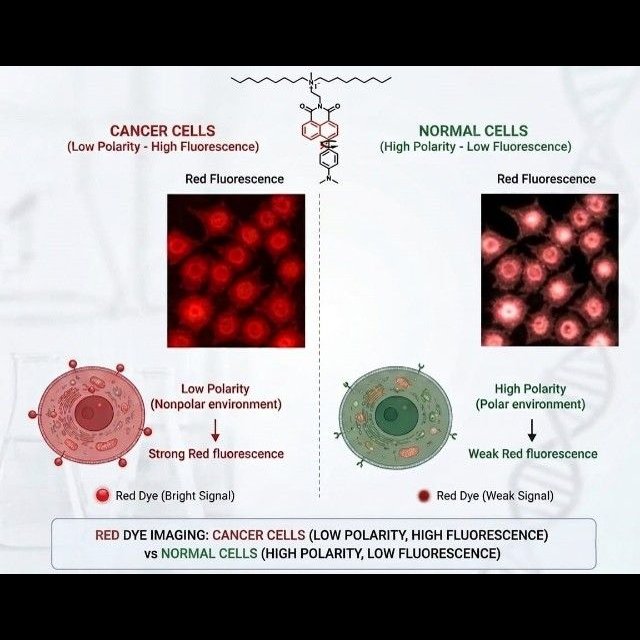
We are pleased to share a recently published research article in Analytical Methods (2026), to which one of our research scholar, Mr. Ayan Bera have contributed as a co-author through a collaborative effort. 🔬📄 The paper, titled "A polarity-sensitive naphthalimide-based red-emissive fluorescent probe for live-cell imaging", is authored by Premjit Kar, Swapan Maity, Ayan Bera, Supriya Bharti, Pralay Maiti, and Sankarprasad Bhuniya. This work reports the development of a dual-channel fluorescent probe capable of simultaneously tracking viscosity and polarity changes within the endoplasmic reticulum under stress conditions. The study provides valuable insights into ER microenvironment dynamics and offers a powerful chemical tool for investigating cellular stress responses. 🧬 Read the full article here: https://doi.org/10.1039/d6ay01105e
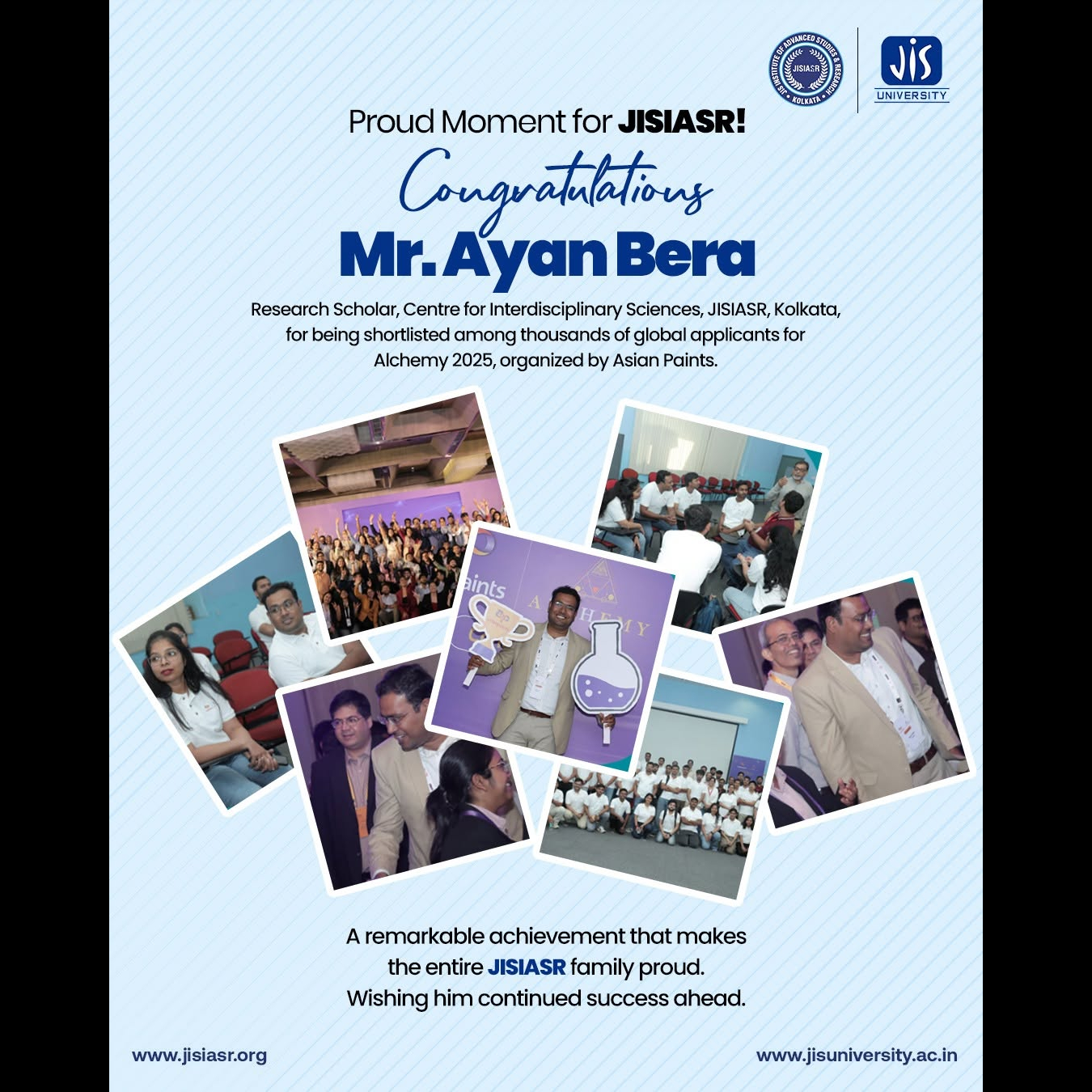
Proud Moment for us! Heartiest congratulations to Mr. Ayan Bera, Research Scholar, Centre for Interdisciplinary Sciences, JISIASR, Kolkata, for being shortlisted from among thousands of global applicants to participate in Alchemy 2025, organized by Asian Paints. This remarkable achievement brings great pride to the entire JISIASR family. We wish him continued success in all his future endeavors.
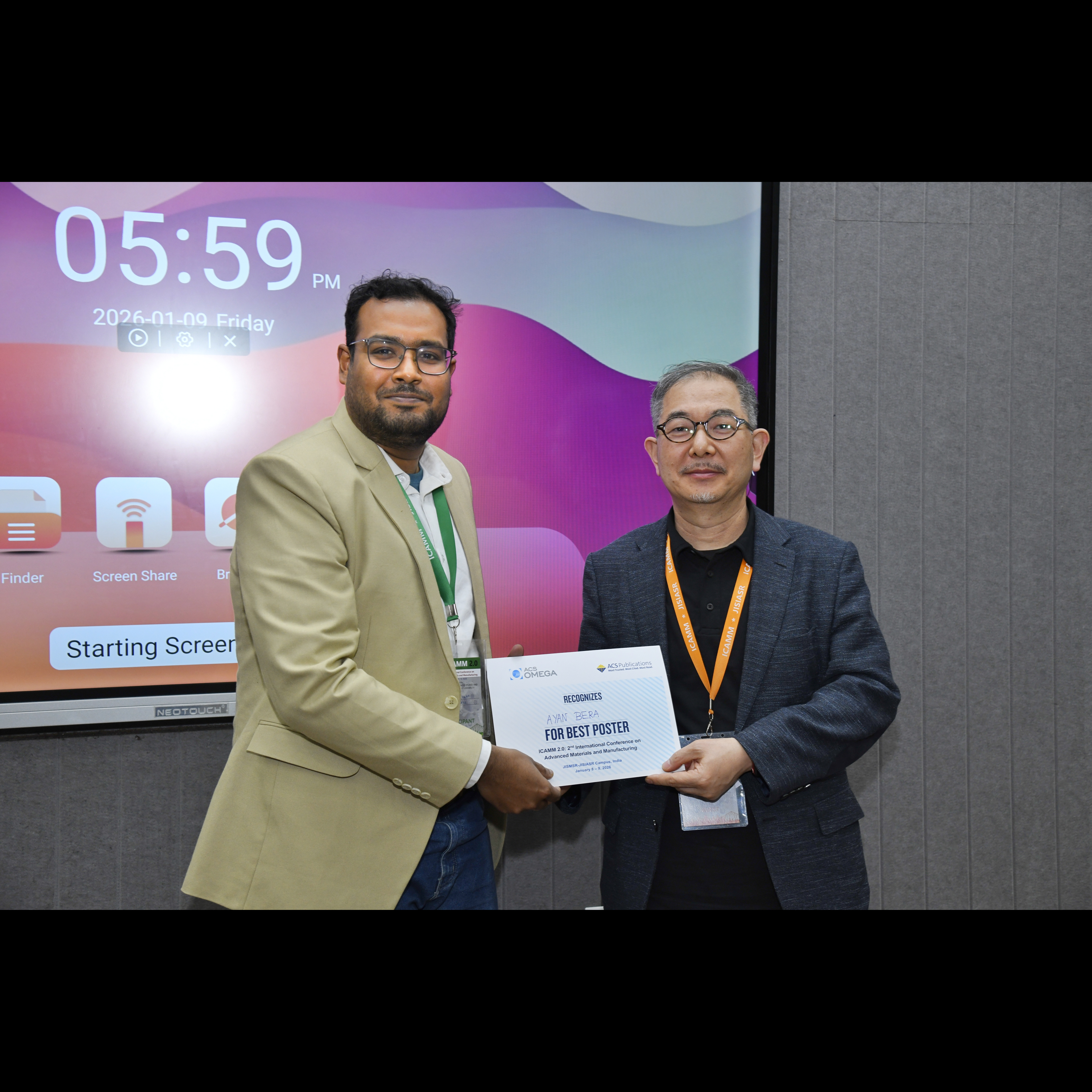
We are pleased to share that Mr. Ayan Bera, Research Scholar of our group, has been awarded the ACS Best Poster Award for his poster presentation on his recent research work at the 2nd International Conference on Advanced Materials and Management 2025 (ICAMM 2.0). This recognition reflects the scientific merit and clarity of his presentation in the field of advanced materials research. The award was presented by Prof. Dong Kyun Seo, Professor, School of Molecular Sciences, Arizona State University, Tempe, Arizona, US. We congratulate Mr. Ayan Bera on this achievement and wish him continued success in his research endeavours.
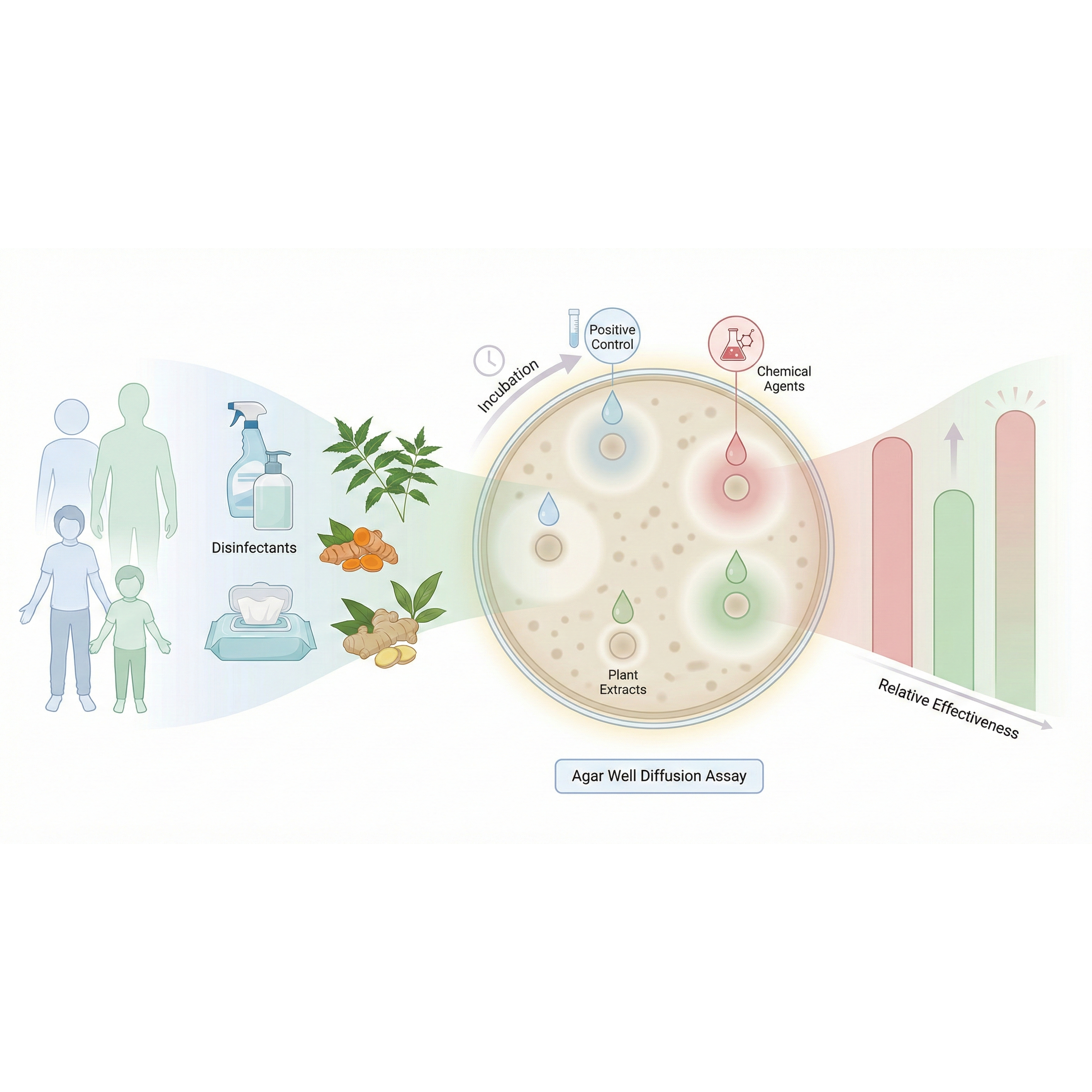
We are pleased to share that our latest research has been published in Engineered Science (ES): Chemistry & Sustainability. http://dx.doi.org/10.30919/cs2100 This work was conceptualised and designed by Mr. Ayan Bera, Research Scholar of our group, and carried forward under his dedicated leadership. The study focuses on advancing research at the intersection of chemistry and sustainable materials, contributing to the broader understanding of how engineered chemical systems can be developed for environmentally responsible applications. Through a systematic investigation combining experimental analysis and scientific modelling, the work provides insights into the design principles and functional behaviour of the studied system, highlighting how controlled material properties and molecular interactions can influence performance and stability. The findings contribute to ongoing efforts aimed at developing sustainable and efficient chemical technologies. We extend our heartfelt congratulations to Mr. Ayan Bera for this excellent achievement. His initiative in conceptualising the study and leading its successful execution reflects remarkable dedication and commitment to research excellence. Wishing him continued success in his research.
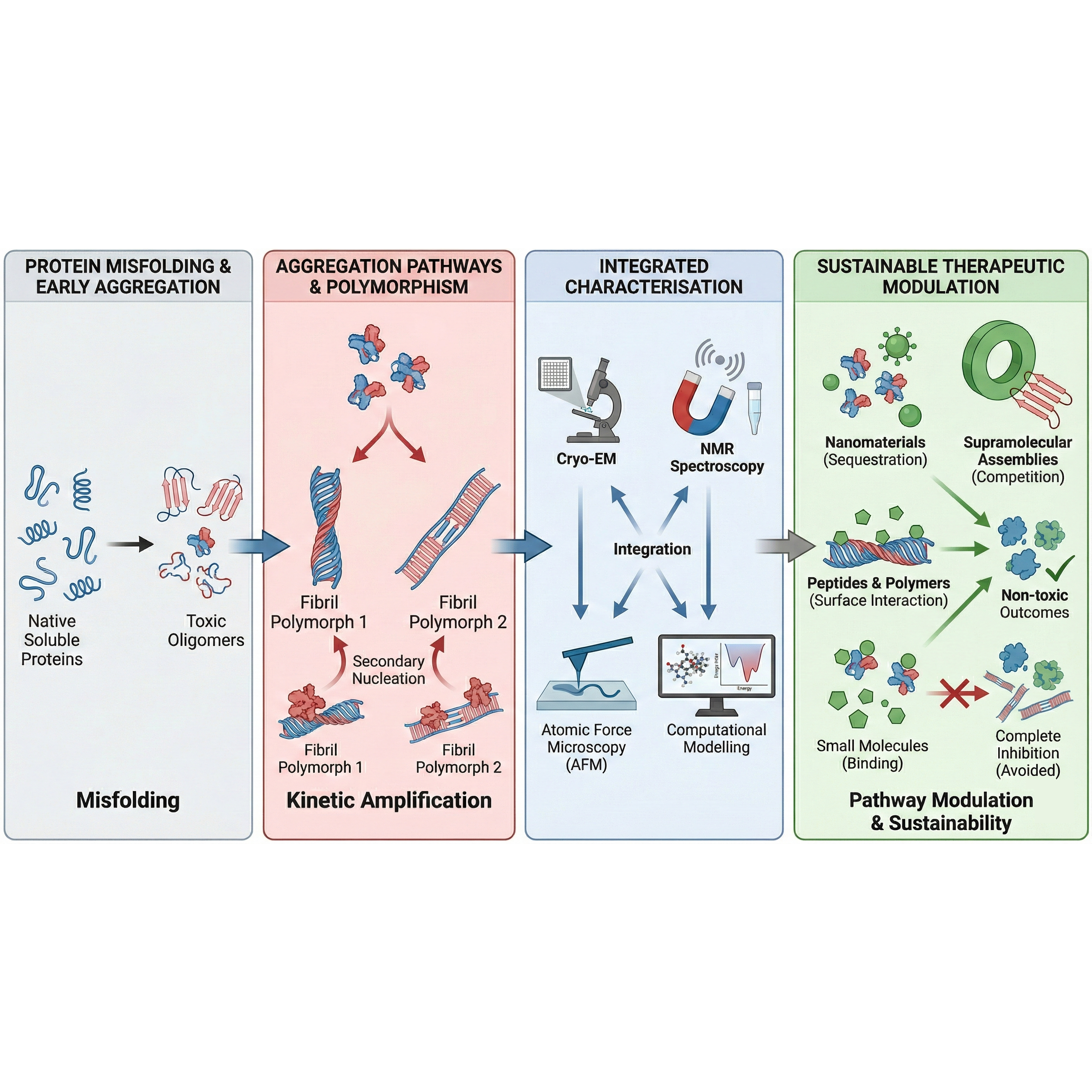
We are pleased to share that our latest work has been published in Innovation of Chemistry & Materials for Sustainability (ICMS). https://doi.org/10.63654/icms.2026.03004 This article discusses emerging therapeutic strategies for controlling amyloid aggregation, a key pathological process underlying several neurodegenerative disorders including Alzheimer’s, Parkinson’s, and Huntington’s diseases. The work examines how protein misfolding and aggregation pathways lead to the formation of toxic oligomers and fibrillar assemblies that contribute to disease progression. The review highlights recent advances in experimental biophysics, spectroscopic techniques, and computational modelling that have significantly improved our understanding of amyloidogenesis. Particular emphasis is placed on how sequence features, environmental factors, and aggregation history influence the structural diversity and toxicity of amyloid assemblies. Importantly, the article discusses the shift in therapeutic design from non-specific aggregate removal toward targeted modulation of aggregation pathways, identifying kinetic and energetic control points that may enable more precise therapeutic intervention strategies. By integrating experimental insights with multiscale modelling approaches, the work aims to support the development of more effective strategies for controlling pathological protein aggregation.
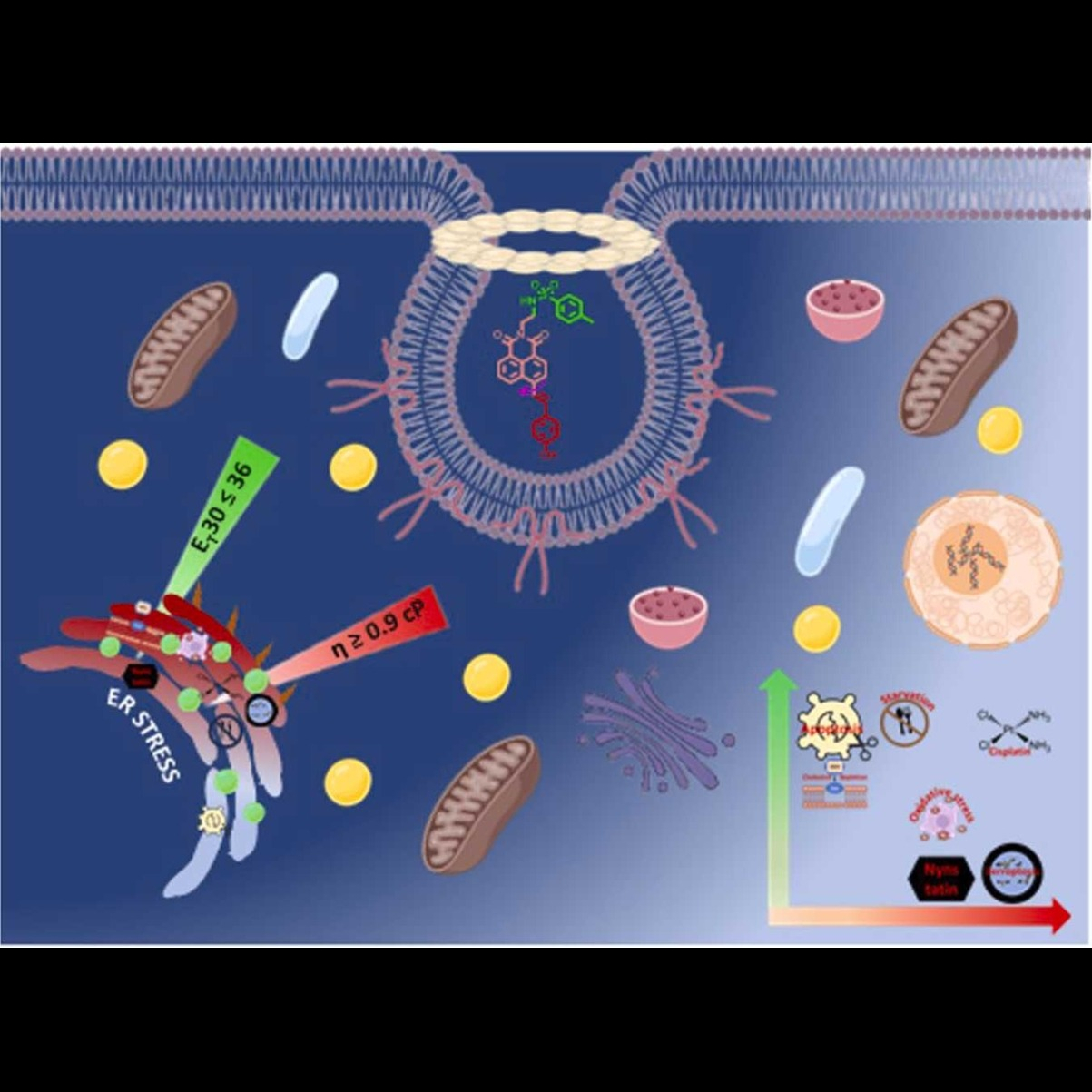
We are pleased to share a recently published research article in Sensors and Actuators B: Chemical, to which one of our research scholar Ayan Bera has contributed as a coauthor through a collaborative effort. The paper, titled “Dual-channel fluorescent probe for real-time monitoring of ER viscosity and polarity under stress”, is authored by K. K. Athul, Sudeshna Pal, Ayan Bera, Prasanta Kumar Das, and Sankarprasad Bhuniya (2025), Article 139361. https://doi.org/10.1016/j.snb.2025.139361 This work reports the development of a dual-channel fluorescent probe capable of simultaneously tracking viscosity and polarity changes within the endoplasmic reticulum under stress conditions. The study provides valuable insights into ER microenvironment dynamics and offers a powerful chemical tool for investigating cellular stress responses. We acknowledge the lead research group for this work and appreciate the opportunity for meaningful scientific collaboration.
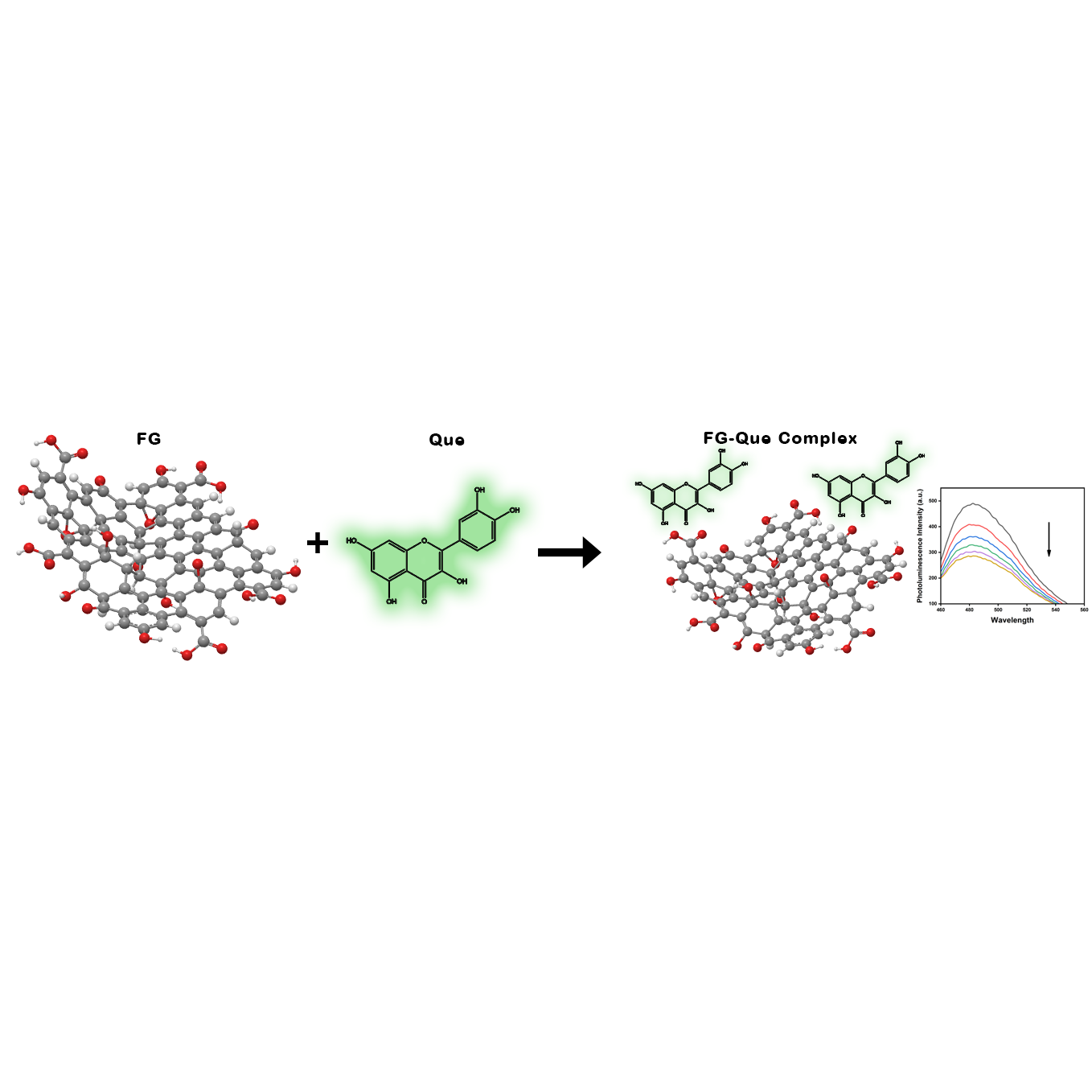
We are pleased to share that our latest research has been published in ChemistrySelect (Chemistry Europe, Wiley). https://doi.org/10.1002/slct.202506908 This work investigates the molecular interaction between the bioactive flavonoid quercetin and functionalised graphene (FG) materials possessing different microstructural and morphological characteristics. The study systematically examines how oxygen content, layer stacking, and structural disorder in FG materials influence the photophysical behaviour of quercetin, providing deeper insight into flavonoid–nanomaterial interfaces. Detailed photoluminescence investigations reveal that FG materials with higher oxygen content and moderate stacking enhance the emission behaviour of quercetin, while graphene structures with lower oxygen content and higher disorder promote quenching through non-radiative decay pathways. The analysis of binding interactions, supported by theoretical modelling, highlights the critical role of graphene surface chemistry in modulating quercetin–graphene interactions and their photoluminescence characteristics. Overall, the results demonstrate that structural tuning of functionalised graphene can effectively control the stability and photophysical response of quercetin, establishing FG as a promising platform for stabilising bioactive molecules. These findings open potential avenues for drug delivery, biosensing, and bioimaging applications, while providing fundamental insights into flavonoid–nanomaterial interactions.
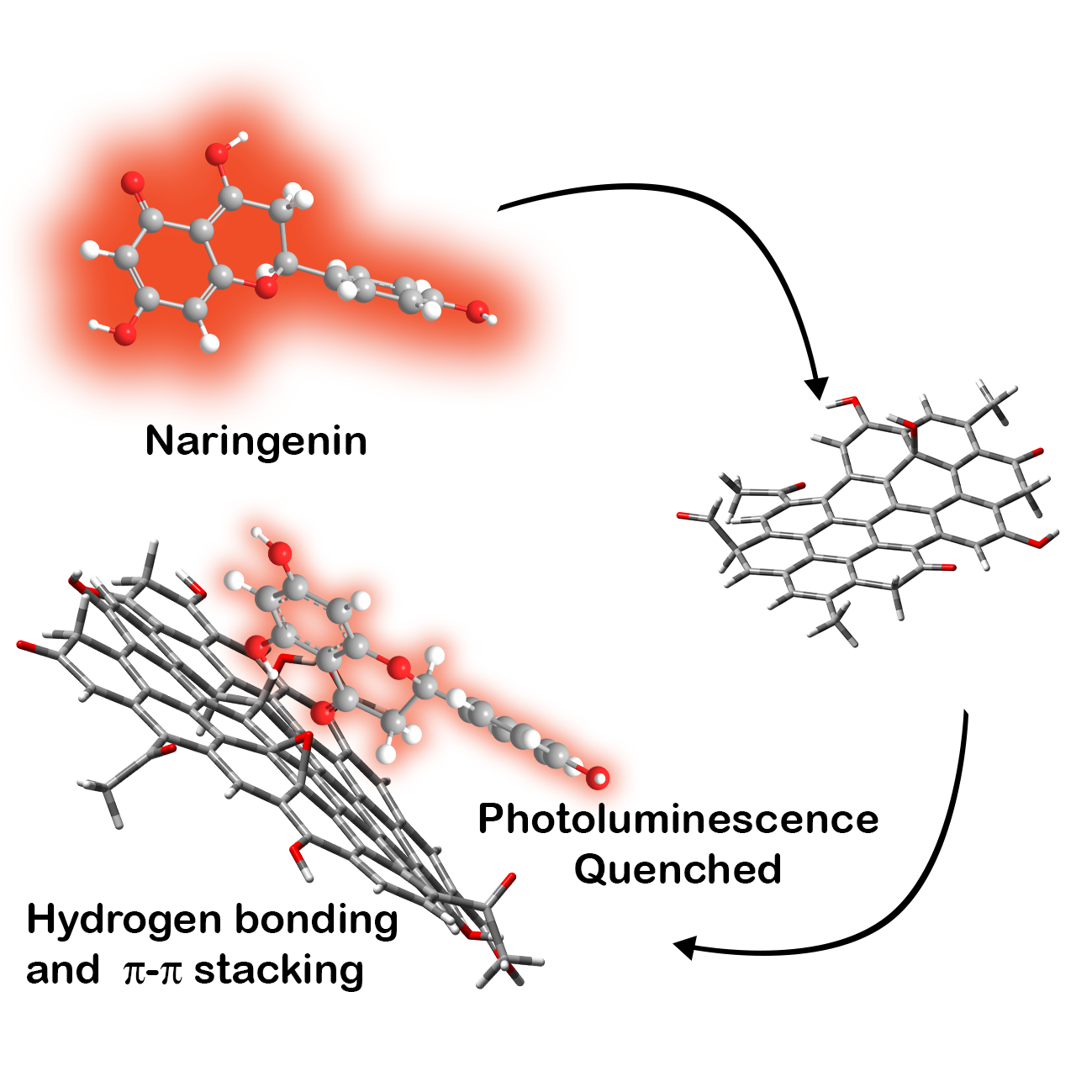
We are pleased to share that our latest research has been published in ChemistrySelect journal. https://doi.org/10.1002/slct.202502625. This work systematically investigates the molecular interaction between naringenin, a bioactive flavonoid known for its antioxidant, anti-inflammatory, and anticancer potential, and functionalised graphene (FG) materials with varying oxygen content and morphology. Using photoluminescence spectroscopy, we observe dual emission bands corresponding to the enol and keto tautomers of naringenin and their progressive quenching upon addition of FG. The study indicates a static quenching mechanism arising from stable complex formation between naringenin and FG. Modified Stern–Volmer analysis reveals binding constants in the range of 0.01–0.03 with one to two binding sites, highlighting the role of graphene surface chemistry in governing the interaction. Our results further demonstrate that FG surface functional groups, stacking order, and morphology influence the aggregation behaviour of naringenin. Complementary theoretical modelling suggests that π–π stacking interactions and hydrogen bonding, with an interaction distance of approximately 0.33 nm, are the primary stabilising forces within the complex. Overall, the findings establish functionalised graphene as a promising carrier platform for naringenin, with potential implications in drug delivery, biosensing, and nanomedicine.
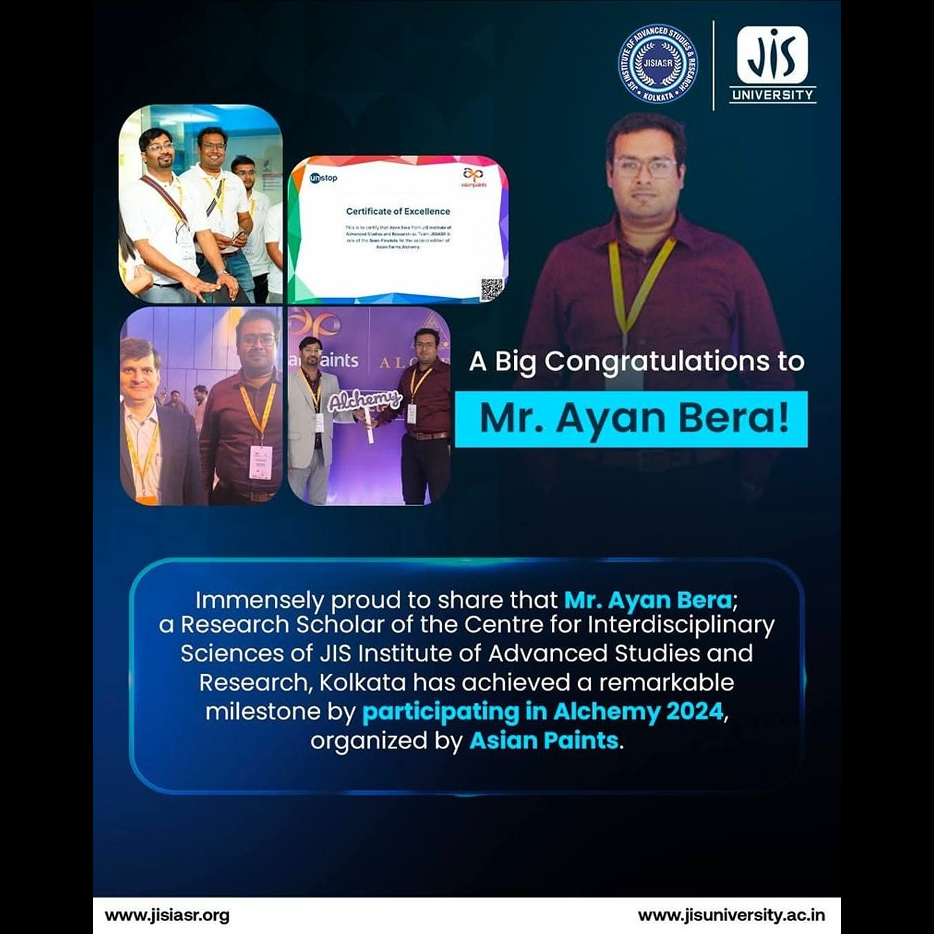
We are immensely proud to share that Mr. Ayan Bera; a Research Scholar of the Centre for Interdisciplinary Sciences of JIS Institute of Advanced Studies and Research, Kolkata has achieved a remarkable milestone by participating in Alchemy 2024, organized by Asian Paints.
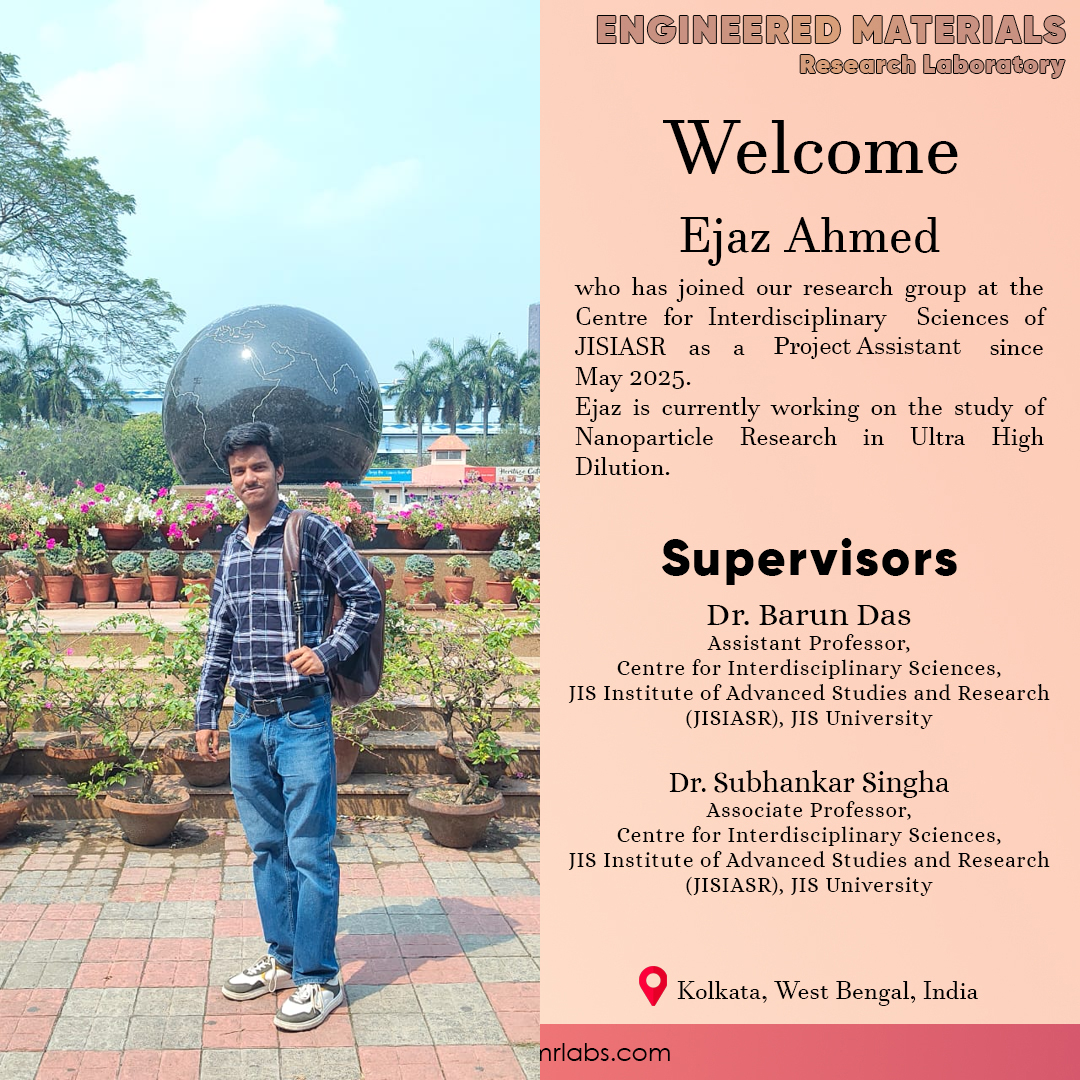
Heartiest congratulations to Ejaz Ahmed to join our research group as a Project Assistant.
Heartiest congratulations to Tirtha Pratim Mitra to join our research group for his Master's project.

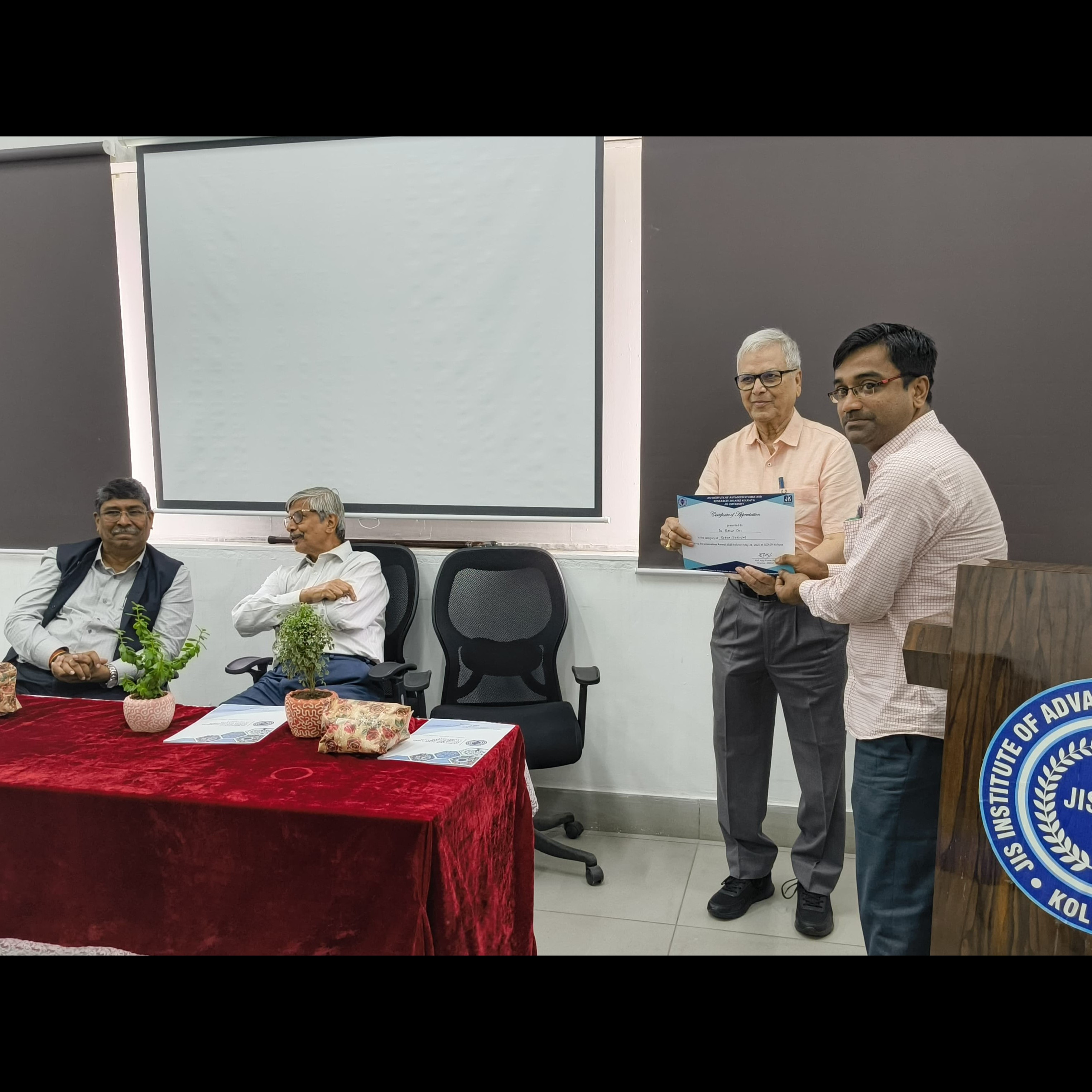
Dr. Barun Das receiving JIS Innovation Award 2025 for filing patents and guiding and mentoring research scholars, contributing to the growth of a vibrant research culture at JISIASR.
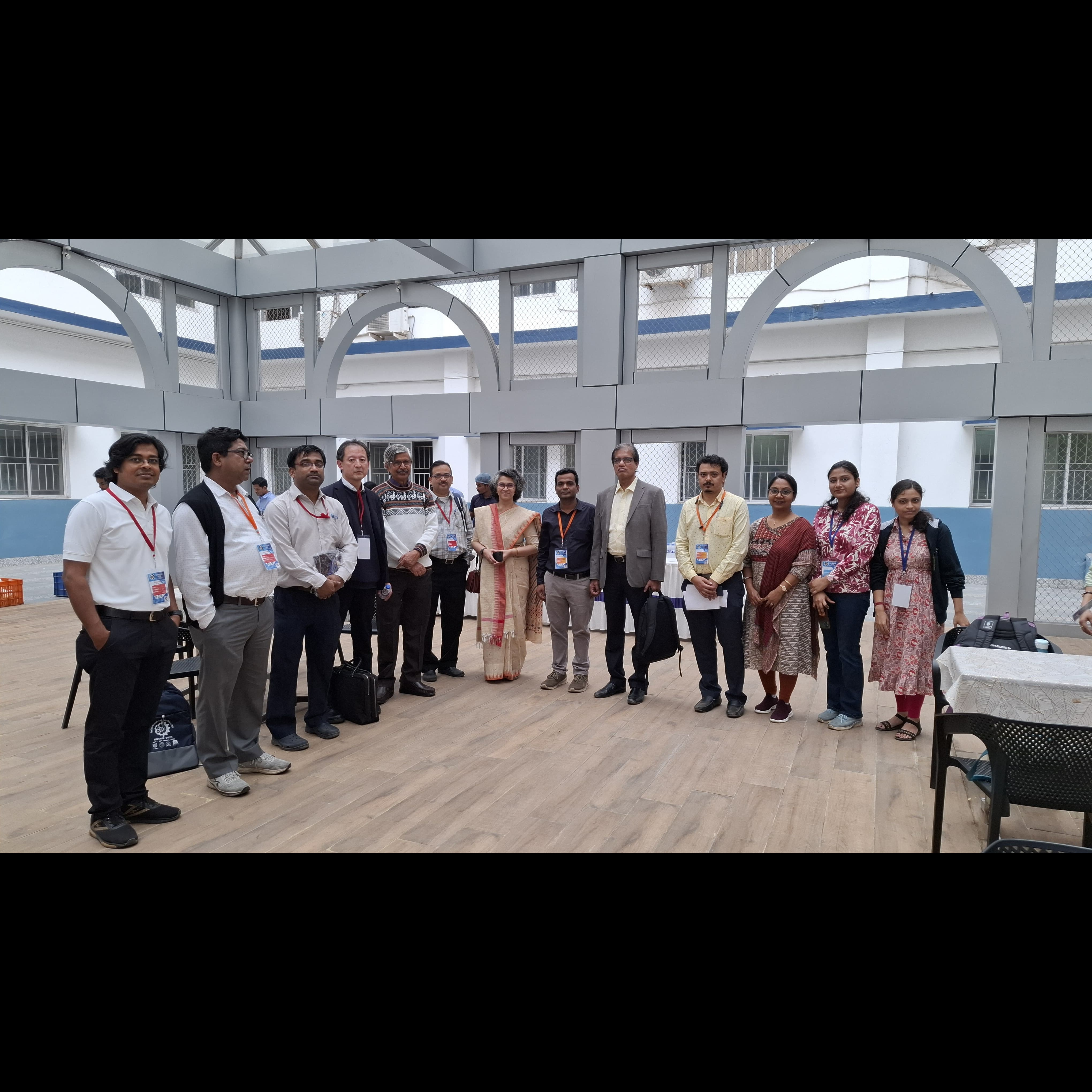
Dr. Barun Das with eminent scientists & researchers during an International Conference named "Recent Developments and Applications in Materials Science and Engineering” (RDAMSE 2025) organized by Department of Basic Science & Humanities, Dr. Sudhir Chandra Sur Institute of Technology and Sports Complex (Sur Tech), Dum Dum West Bengal; held on 30th and 31st January 2025
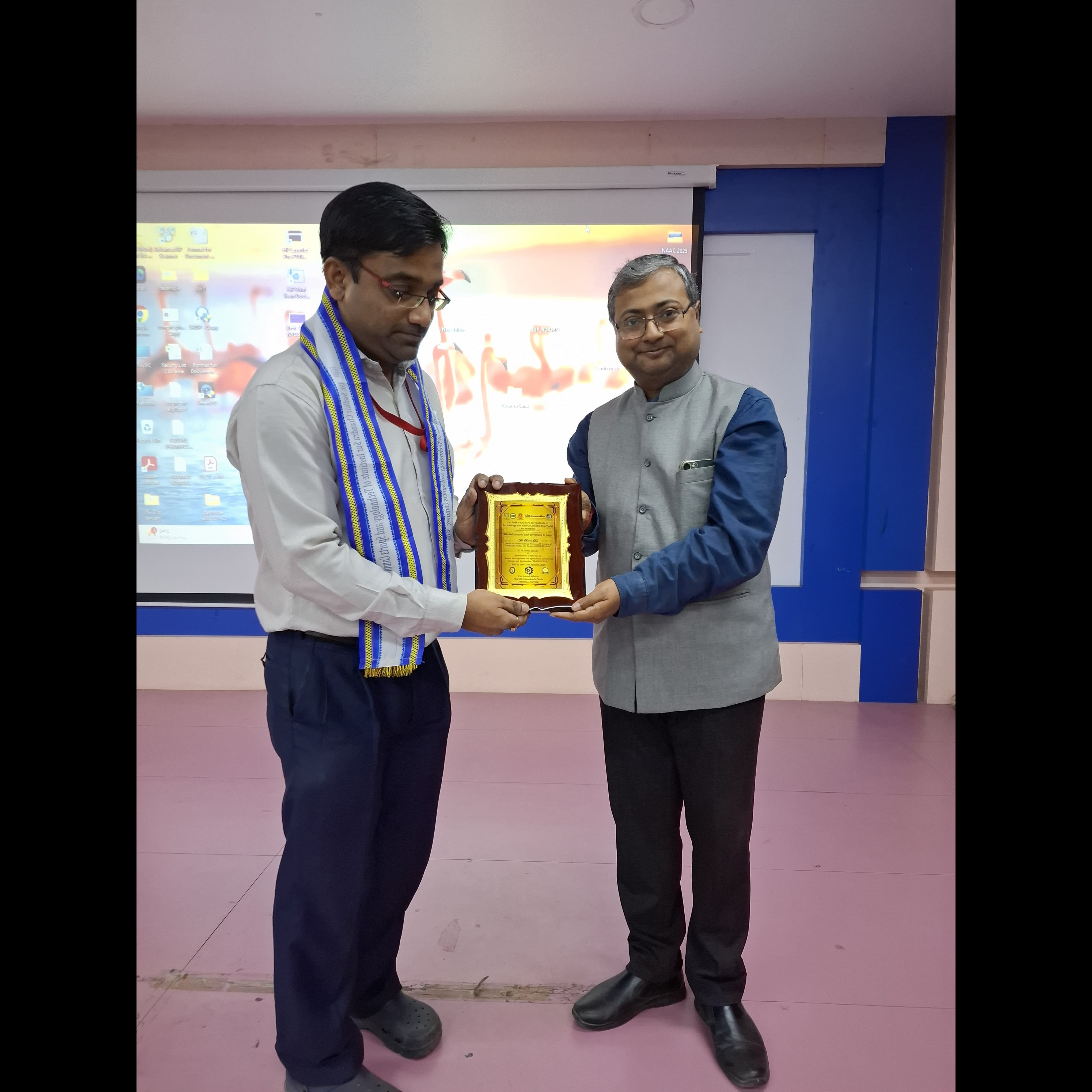
Our Principal Investigator Dr. Barun Das was feliciated as an "Invited Speaker" during an International Conference named "Recent Developments and Applications in Materials Science and Engineering” (RDAMSE 2025) organized by Department of Basic Science & Humanities, Dr. Sudhir Chandra Sur Institute of Technology and Sports Complex (Sur Tech), Dum Dum West Bengal; held on 30th and 31st January 2025
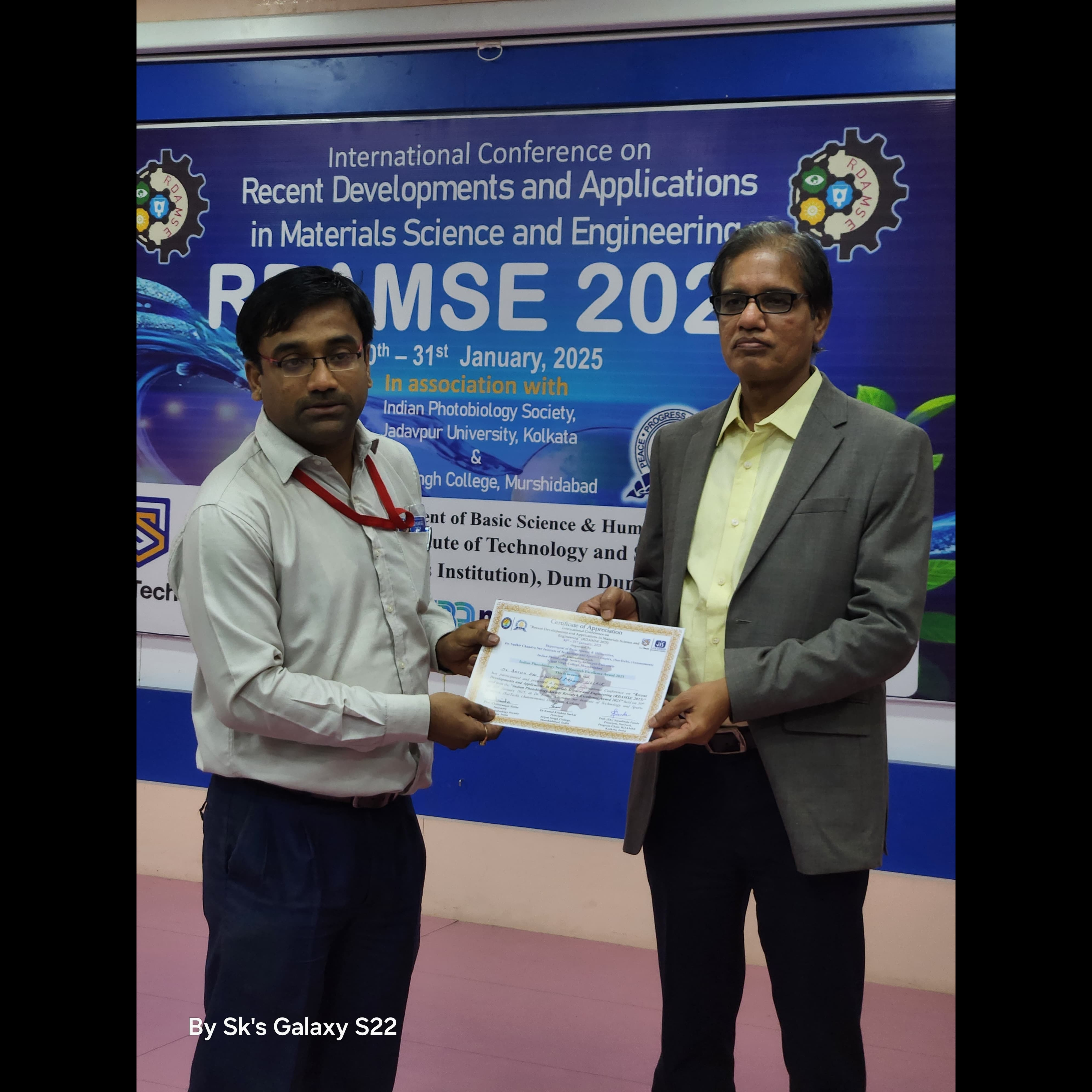
Our Principal Investigator Dr. Barun Das was awarded with prestigious "Indian Photobiology Society Research Excellence Award" during an International Conference named "Recent Developments and Applications in Materials Science and Engineering” (RDAMSE 2025) organized by Department of Basic Science & Humanities, Dr. Sudhir Chandra Sur Institute of Technology and Sports Complex (Sur Tech), Dum Dum West Bengal; held on 30th and 31st January 2025.
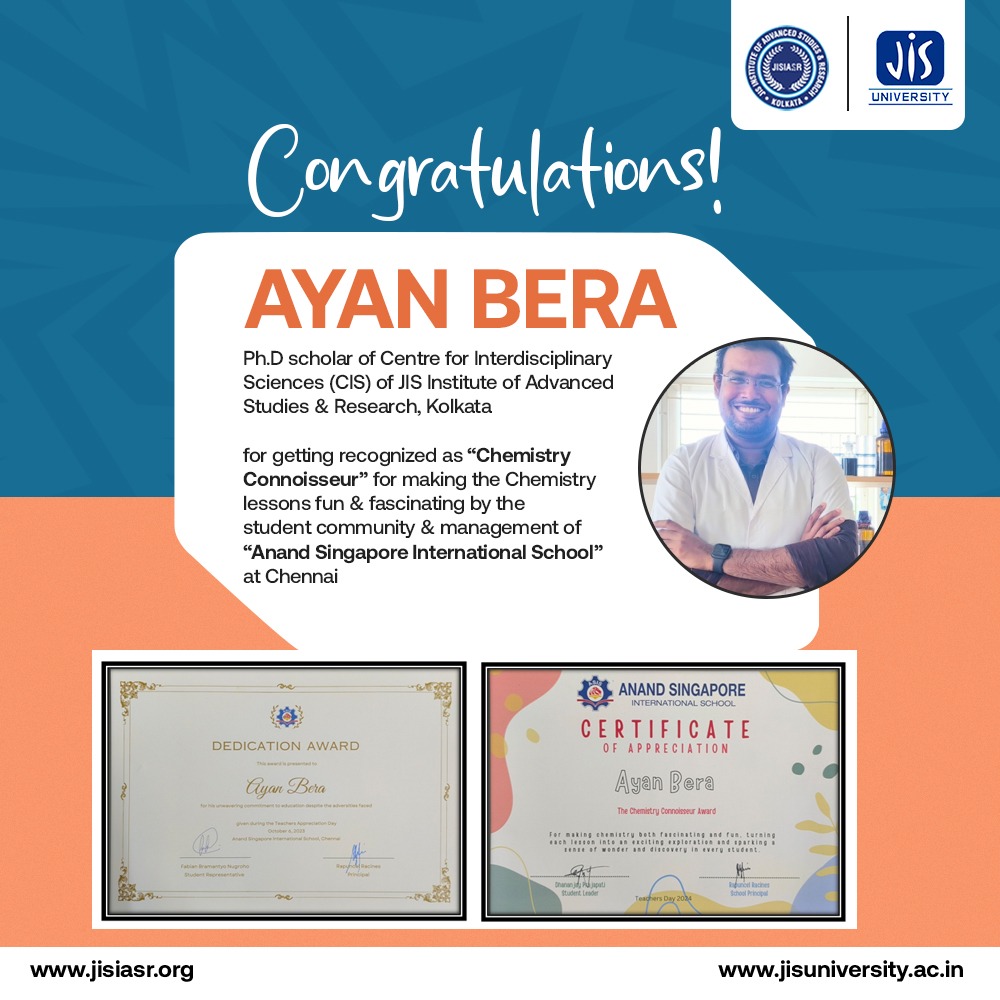
We are thrilled to celebrate Mr. Ayan Bera, a Ph.D. scholar for being recognized as the “Chemistry Connoisseur” by the student community and management of Anand Singapore International School, Chennai. 🏅✨
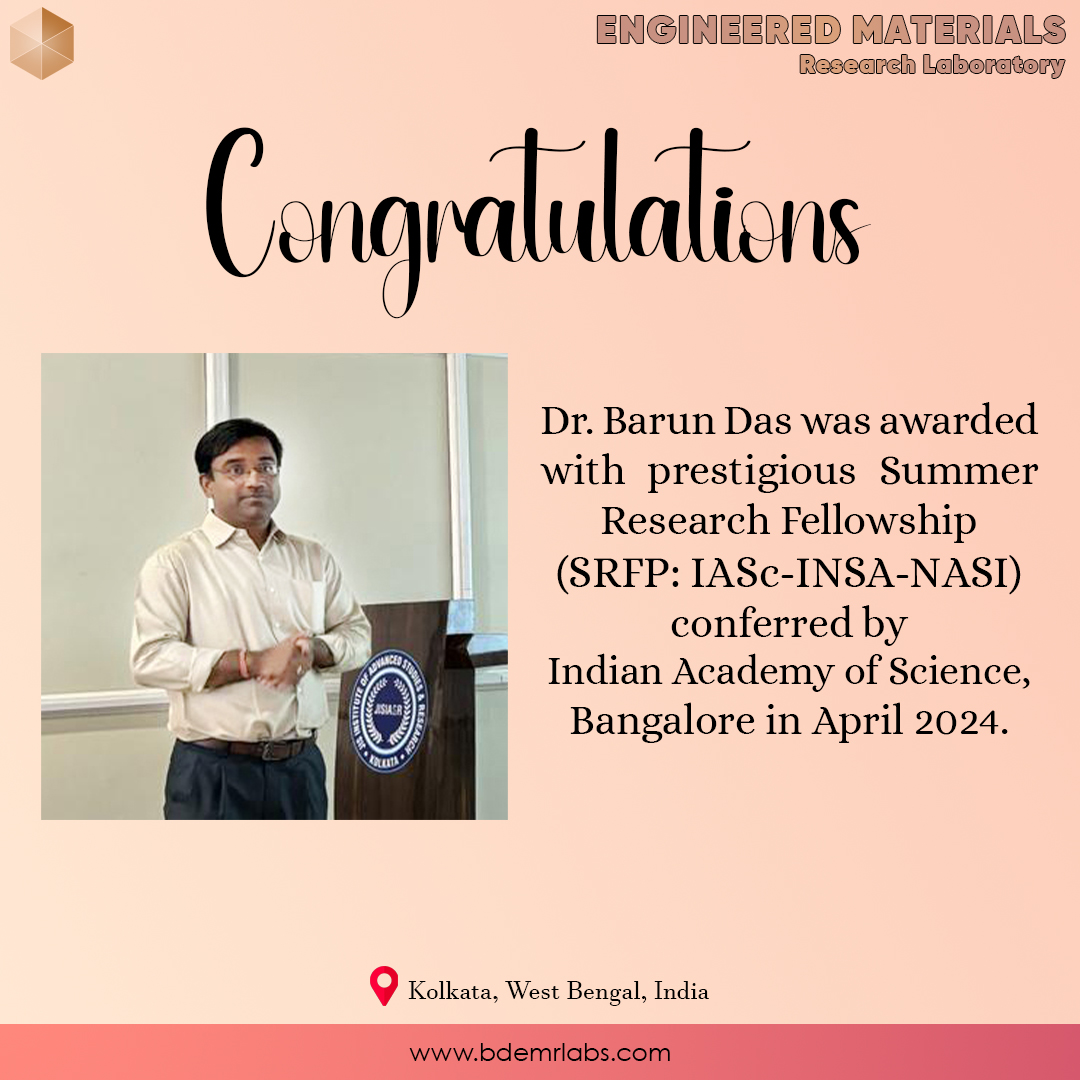
Congratulations to our Principal Investigator Dr. Barun Das on recieving the prestigious Summer Research Fellowship conferred by Indian Academy of Sciences.
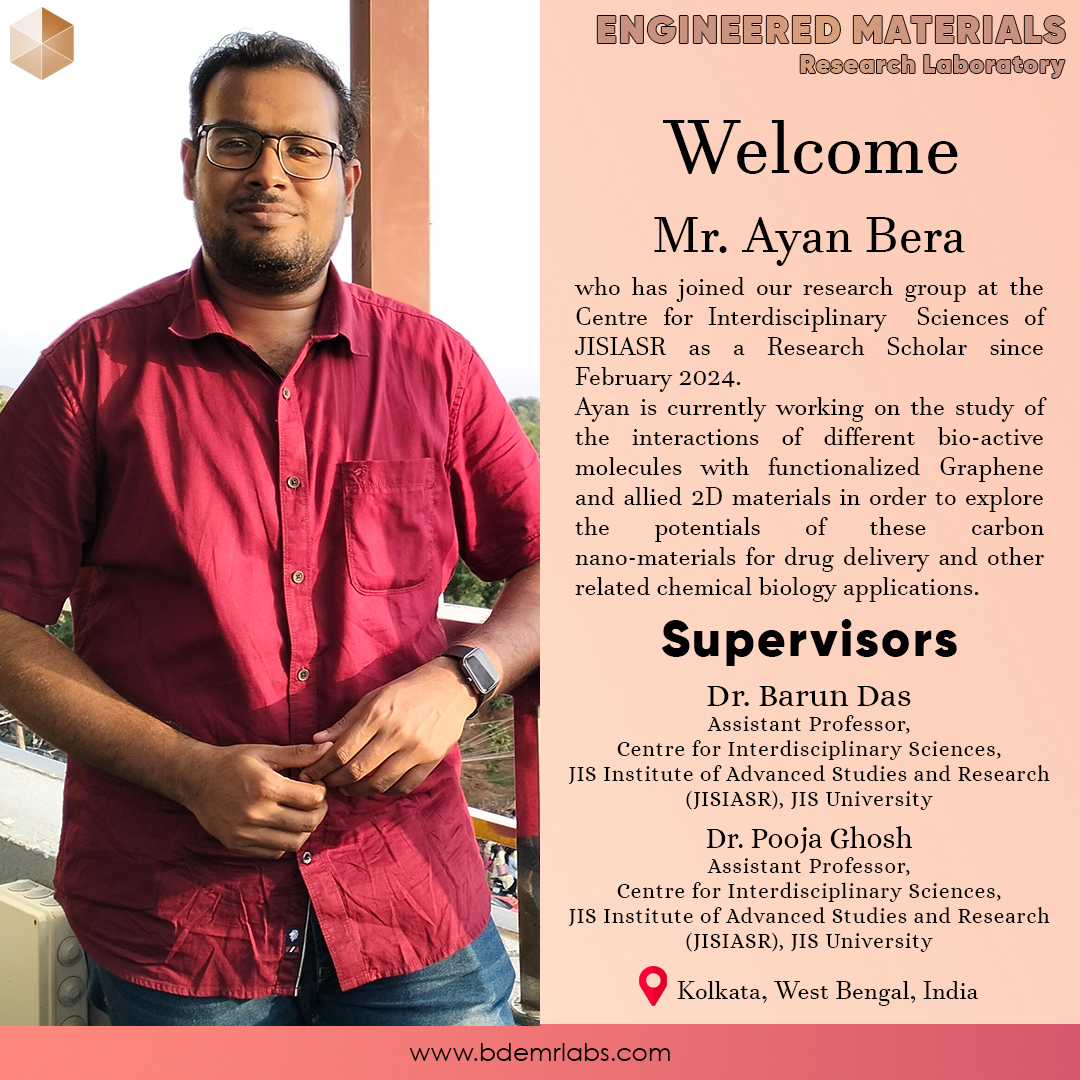
Heartiest congratulations to Mr. Ayan Bera on joining our research group as a Research Scholar.
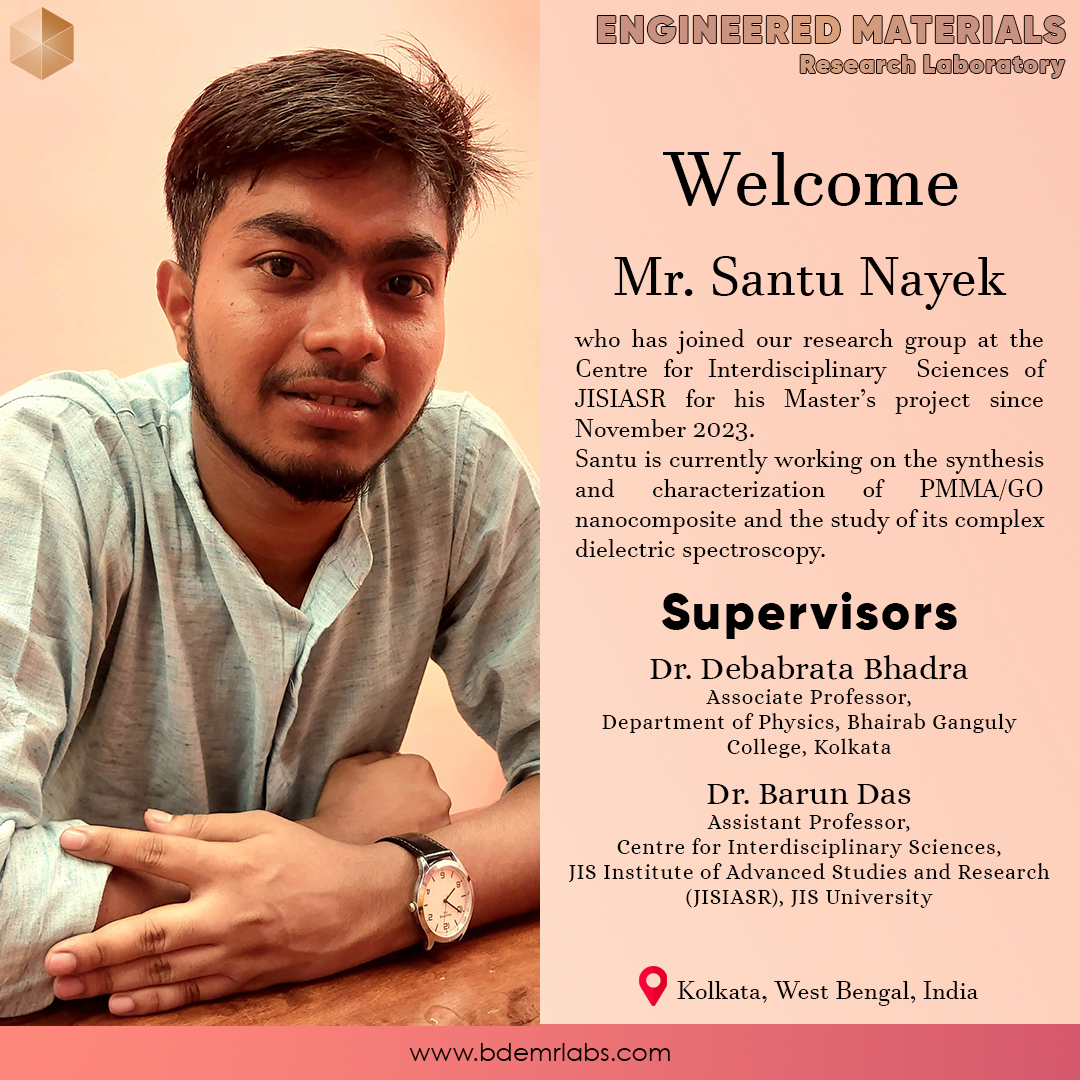
Santu Nayek joined our research group for his Master's project.
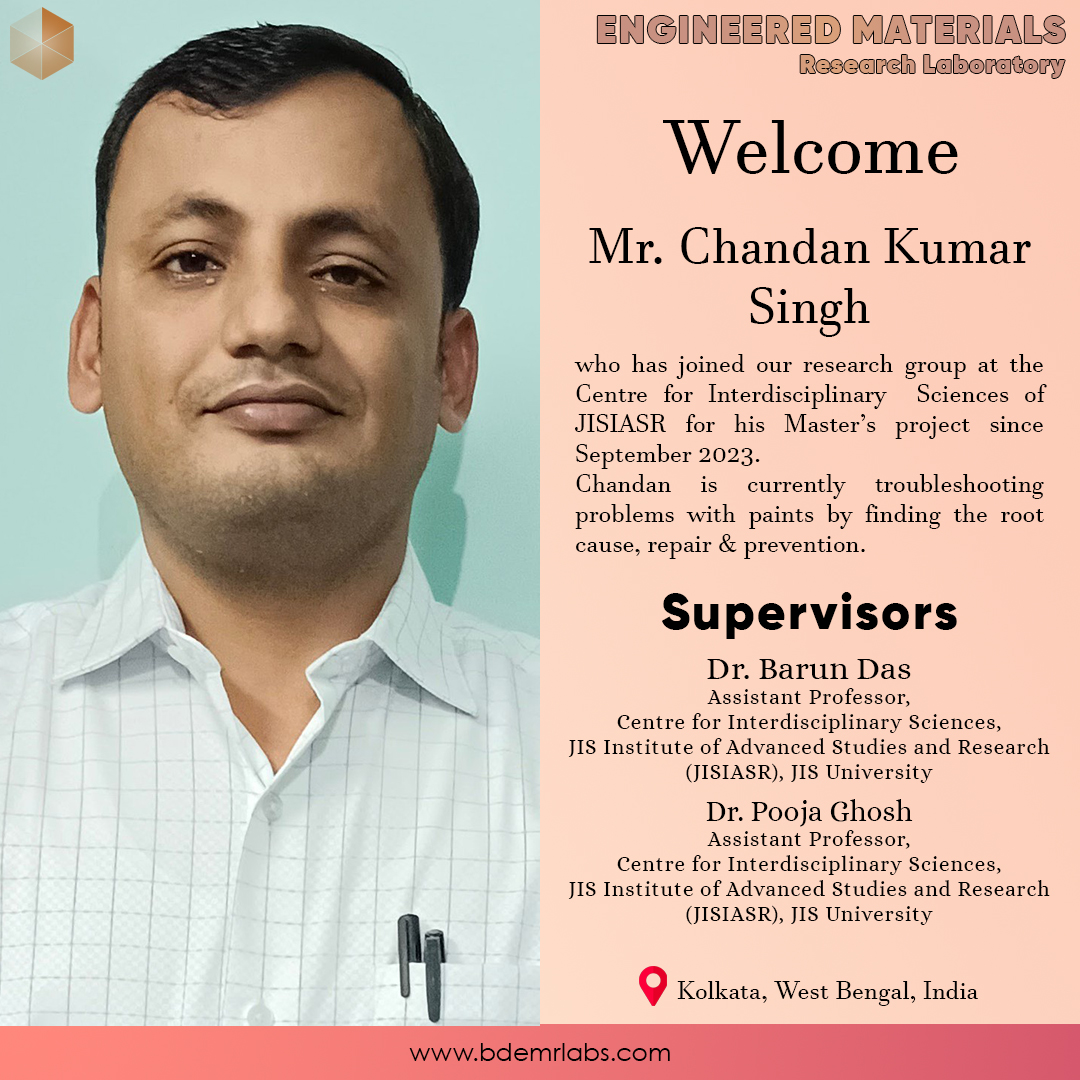
Chandan Kumar Singh joined our research group for his Master's project.
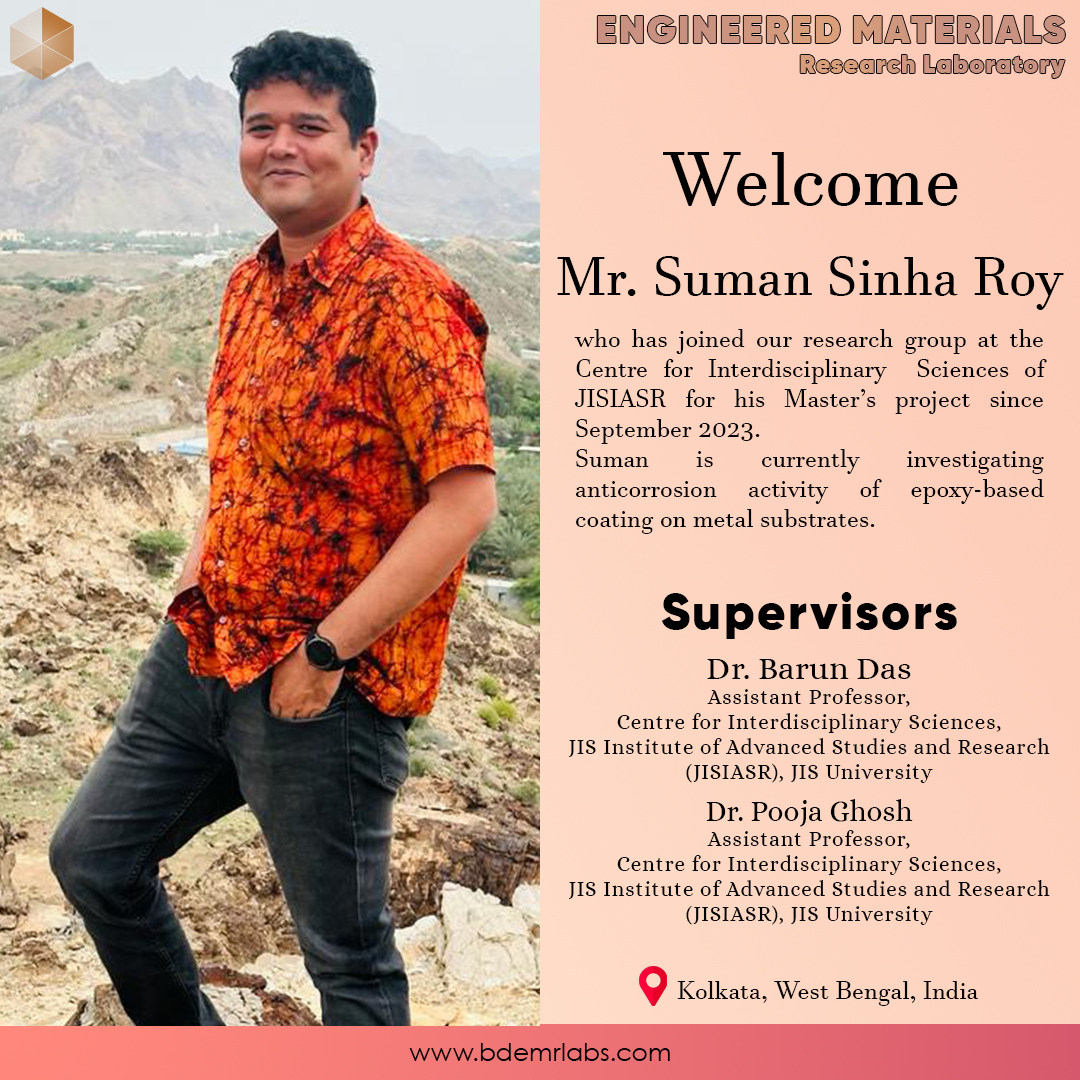
Suman Sinha Roy joined our research group for his Master's project.
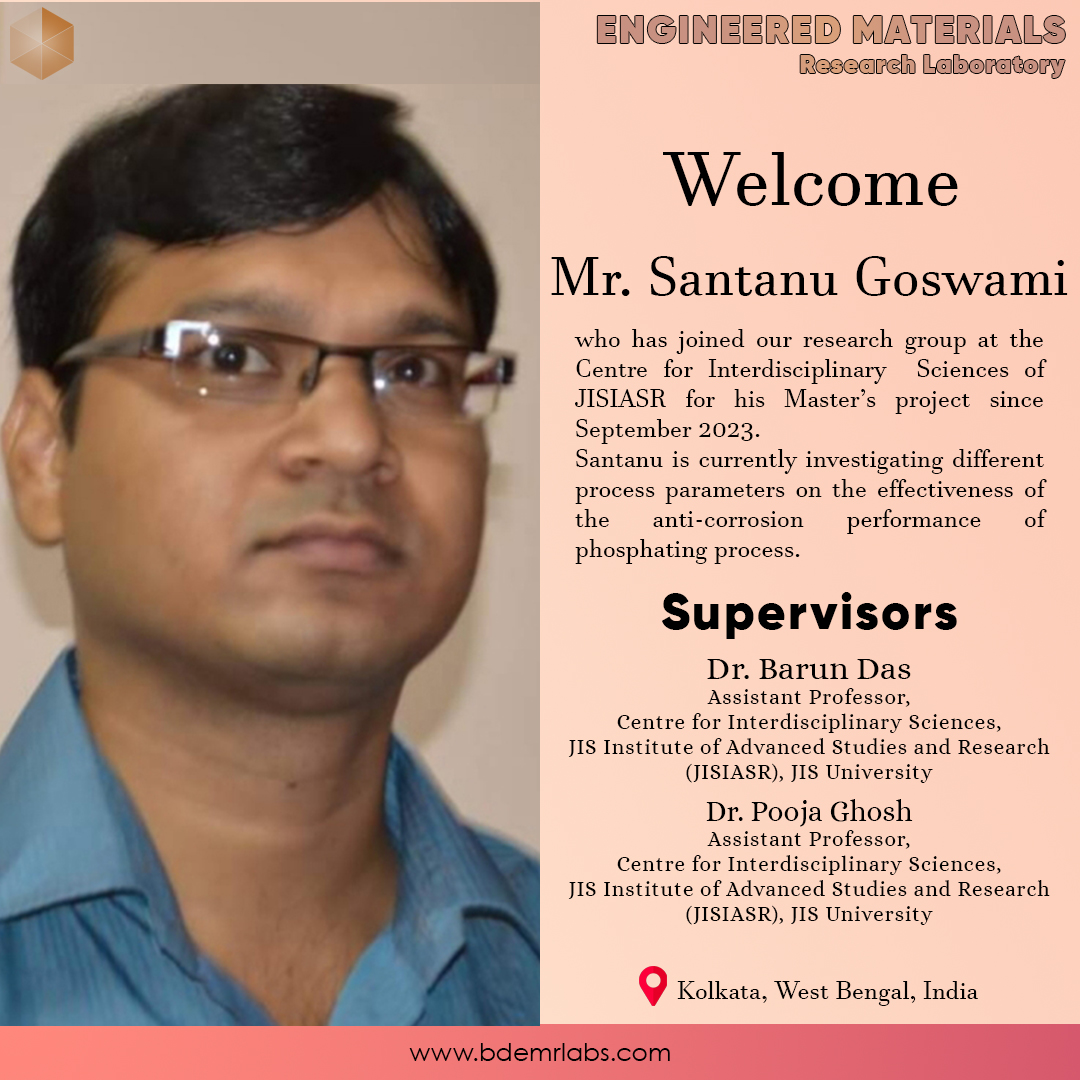
Santanu Goswami joined our research group for his Master's project.